

A Simple Breakdown
If you’ve been following real estate headlines lately, you’ve probably seen the name BlackRock pop up again and again. Some stories make it sound like one company is buying up every house in America, which naturally raises questions, especially for buyers and sellers here in Central Indiana. So what does BlackRock actually own? And how does it impact the local housing market? Let’s break it down in simple terms.
First Things First: Who Is BlackRock?
BlackRock is the largest asset management company in the world, managing trillions of dollars for investors. That includes retirement funds, pensions, and individual investments. They do not usually buy homes directly for themselves. Instead, they manage money for clients and invest it across many markets, including real estate. The confusion often comes from mixing up BlackRock with Blackstone, another large investment firm that does directly own a significant amount of residential real estate.
What Types of Real Estate Does BlackRock Invest In?
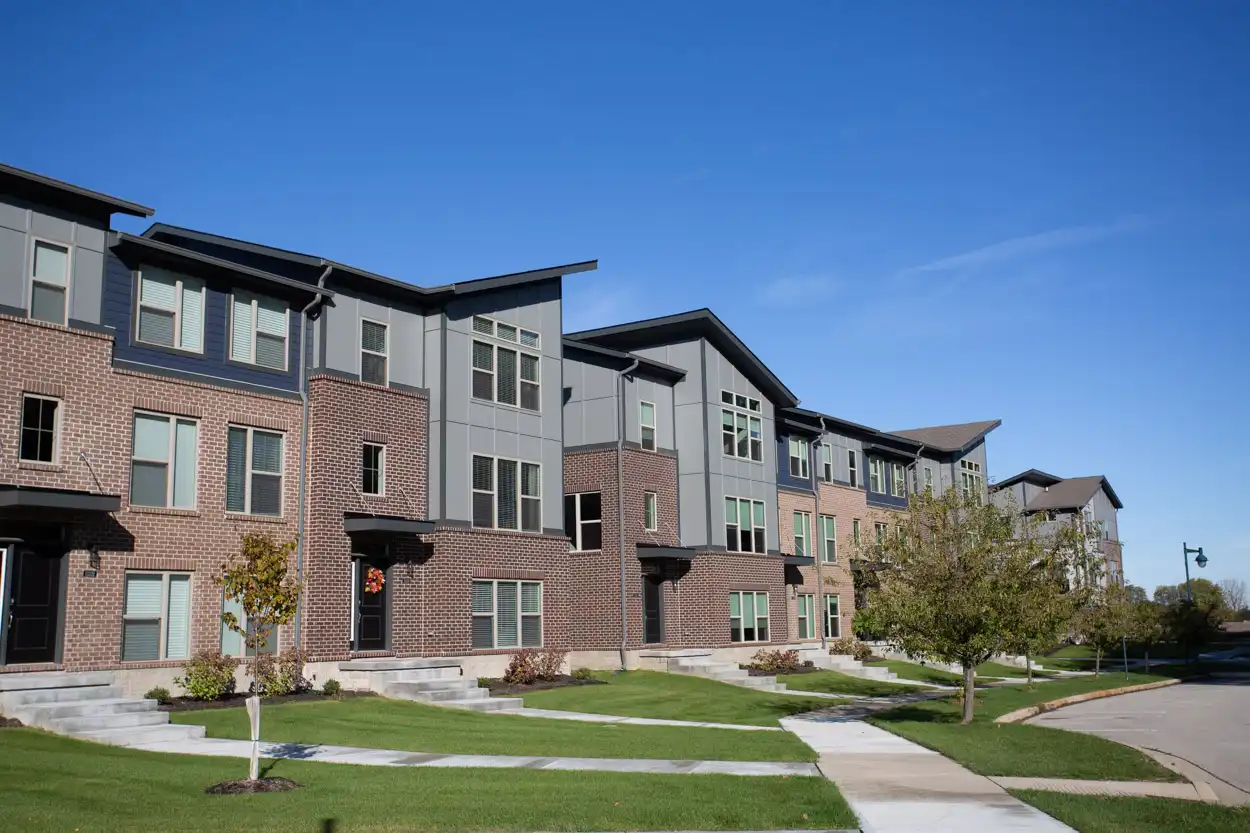
Rather than buying individual homes, BlackRock mainly invests in commercial real estate and real estate-backed assets. This includes apartment complexes and multifamily buildings, office buildings, industrial and warehouse properties, data centers, retail spaces, and real estate investment trusts, also known as REITs. Think large-scale developments, not single-family homes in suburban neighborhoods. For example, BlackRock might invest in a nationwide apartment portfolio or a logistics warehouse network that supports e-commerce. These investments are usually spread across major metro areas and are designed for long-term growth and income.
Does BlackRock Own Single-Family Homes?
Not directly. BlackRock may have indirect exposure to single-family rentals through investments in funds or companies that own rental portfolios. However, they are not personally buying houses in local neighborhoods like many headlines suggest. In contrast, companies like Invitation Homes and American Homes 4 Rent, which are often confused with BlackRock, actively purchase and manage single-family rentals. Even then, institutional buyers still represent a relatively small percentage of total home purchases nationwide.
How Does This Affect the Local Market?
Here in Central Indiana, including areas like Zionsville, Carmel, Westfield, and Indianapolis, most home purchases are still made by individual buyers and local investors, not massive corporations. However, large investment firms can influence rental pricing trends, demand for multifamily developments, new construction planning, and long-term housing inventory. The biggest local impact we tend to see is in apartment development and rental communities rather than single-family neighborhoods.
Why This Matters for Buyers and Sellers
Understanding who is buying real estate and why helps explain pricing trends, competition, and inventory changes. For buyers, it highlights why affordability and housing supply are ongoing challenges. For sellers, it shows how broader economic forces can impact home values and buyer demand. The good news is that local knowledge still wins. National trends matter, but real estate remains a hyper-local business, and knowing your neighborhood makes all the difference.
Final Thoughts
While BlackRock is a massive player in the global investment world, they are not buying up all the houses in our local communities. Their real estate footprint is mostly focused on large-scale commercial and multifamily properties. If you’re curious how national investment trends affect your specific neighborhood, buying plans, or home value, I’d love to help. Reach out anytime for personalized advice and a local market breakdown. I’m always happy to be a resource.