

The secret about central Indiana is officially out. For years, coastal buyers and remote workers have been searching for the perfect balance of affordability, career opportunity, and lifestyle. While cities like Austin and Denver used to be the go-to relocation spots, the map has shifted. The next chapter of American migration is being written right here in the Midwest.
According to the Bank of America Institute, Indianapolis ranked #1 nationally for net domestic migration inflow for two consecutive quarters heading into late 2025. Even more impressively, every single county in the Indy metro area saw population growth last year.
So, why is everyone suddenly moving to Indianapolis? Here is a breakdown of the data driving the 2026 relocation boom.
1. The Undeniable Affordability Advantage
Affordability is the number one catalyst pulling people toward a new destination. As high-cost coastal cities continue to lose residents, Indianapolis offers a financial breath of fresh air.
- Cost of Living: The overall cost of living in Indianapolis sits 10% lower than the national average. Everyday expenses like utilities, transportation, and healthcare are consistently more manageable.
- Housing Costs: This is where Indy truly shines. Housing costs in the city are 24% below the national average. While the median home price hovers around $295,000 to $325,000 across the city, you can still find spacious properties in areas like Greenwood around $300,000, or opt for polished subdivisions in Carmel closer to $500,000.
- Income Value: In Indianapolis, a single person can live decently—covering rent, a car, food, and entertainment—on about $45,000 to $50,000 a year. A family of four feels financially stable making $90,000 to $100,000, which allows for homeownership without sacrificing lifestyle.
2. A Thriving, Diverse Job Market
People do not just want cheap housing; they want stable, long-term career growth. Indianapolis has successfully transitioned past being an overlooked secret and is currently in the middle of a major economic growth cycle.
- Infrastructure & Tech: The broader Indy metro area is seeing massive investments in data centers, logistics operations, and technology development.
- Stable Industries: The state offers incredibly dependable employment opportunities in healthcare, education, and advanced manufacturing.
- Remote Work Hub: With reliable internet infrastructure and an expanding footprint of local coffee shops and coworking spaces, Indy has become a magnet for remote workers who want functional cities without the exhausting pace of an oversized metropolis.
3. Suburban Variety and Lifestyle
Indianapolis is not a one-size-fits-all market. Relocating buyers are able to choose communities that offer incredible value and space while maintaining access to a growing urban core.
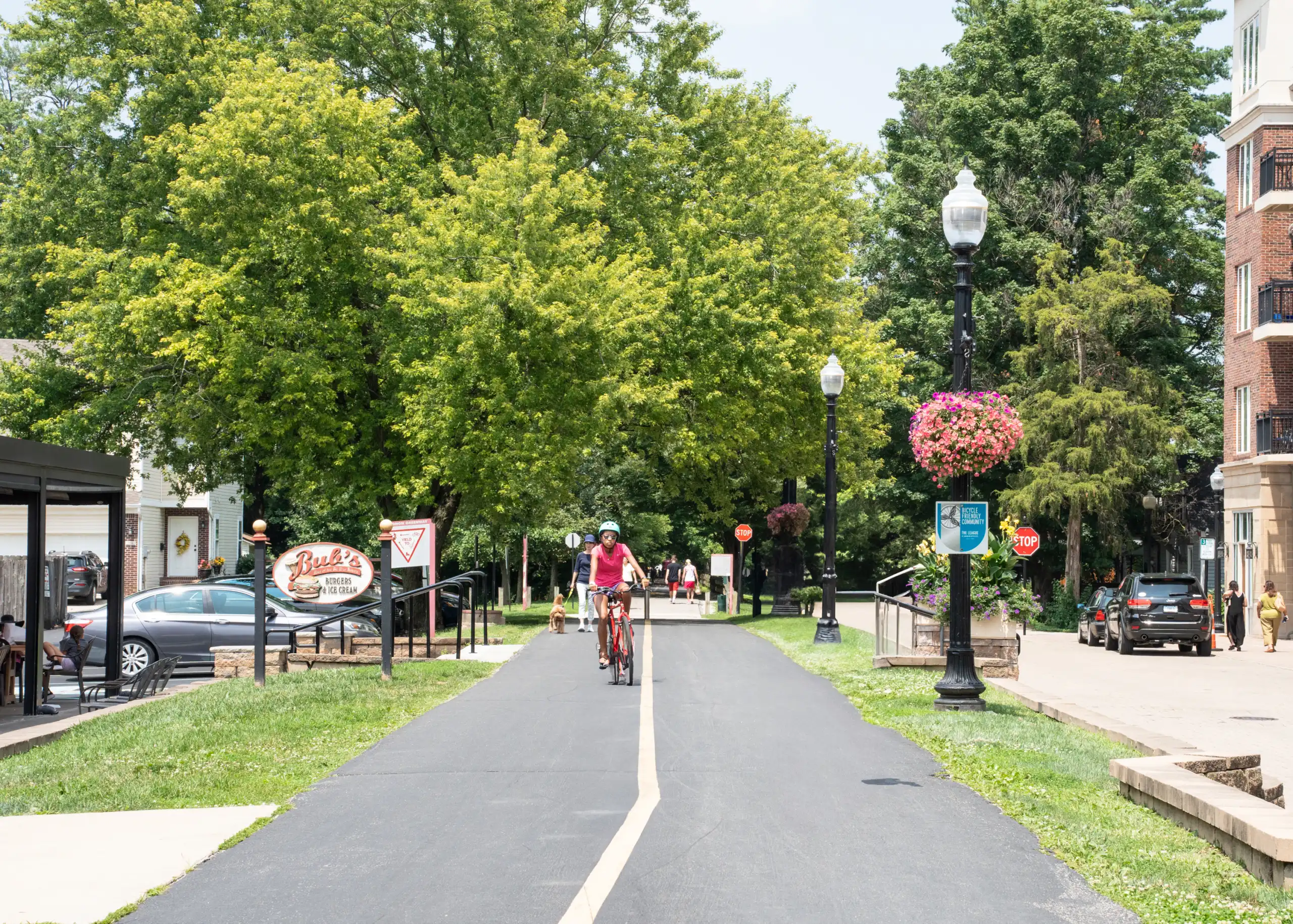
- The Walkable North Side: Suburbs like Carmel and Fishers offer highly rated schools, extensive trail systems like the Monon, and vibrant, walkable downtown districts.
- The Quiet Ring: For buyers who want a calmer pace, towns further out in Hendricks, Boone, and Hancock counties provide lower housing density, meaning quieter neighborhoods and larger yards.
- Central Connectivity: Living in central Indiana means you are just a short drive away from major regional hubs like Chicago, Cincinnati, Louisville, and Columbus.
Planning a Move to Central Indiana?
The Indianapolis market is moving fast. With tight inventory and strong population inflows across Hamilton, Boone, Johnson, and Hendricks counties, navigating the 2026 market requires local expertise.
At Bond Real Estate Co., we specialize in helping out-of-state buyers find the perfect neighborhood to call home. Reach out today for a no-pressure consultation, and let’s discuss your relocation strategy!
(Discover more local market updates and relocation guides on our blog at bondrealestateco.com/blog)